A Brief Overview of Assessing Blade Wear in Slitting Line and Product Requirements
Jul 17, 2026
In the field of metal sheet processing, the Slitting Line is known as the 'heart' of high-precision processing. Whether it is automotive sheets, appliance sheets, or high-value-added silicon steel sheets and aluminum foils, the quality of their processing ultimately depends on the microscopic performance of the slitting blades at the level of one-hundredth of a millimeter.

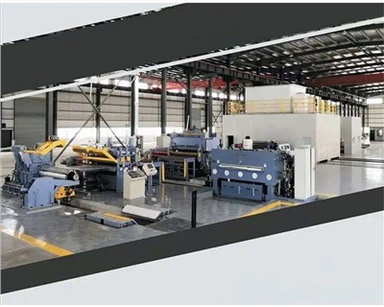
Chart 1: The slitting machine production line features full PLC control, automatic feeding, and automatic finishing.
The wear condition of the slitting machine's blades is directly related to the cutting quality and the equipment's lifespan. Accurately assessing the blade wear and clearly defining product quality requirements are key to ensuring precise slitting processing.
For slitting machine equipment, it is normal for the blades to experience wear during use. However, in actual production, many companies often face two pain points: either blade wear is not detected in time, resulting in the whole roll of product being scrapped due to excessive burrs; or blades are replaced too frequently, leading to prolonged downtime and sharply increased production costs. Therefore, it is important to choose blades of good quality, which can effectively reduce their wear and also extend the service life of the blades.
The upper limit of the precision of slitting equipment is always determined by the lower limit of the user's product requirements. In the face of high-end users' extreme pursuit of quality, slitting equipment must undergo concurrent technological advancements - all breakthroughs and optimizations of process parameters are based on precisely anchoring to user requirements as the highest principle. The product requirements for slitting machine blades essentially mean paying more attention to user requirements. If the user has higher demands for the product, then the requirements for the slitting line equipment will correspondingly be higher, primarily based on the user's needs.
For this reason, it is difficult to provide a definitive answer regarding the requirements for slitting machines. However, if a slitting machine is equipped with a centering system and a tension control system, it indicates that the machine performs exceptionally well. Secondly, the parameters of a slitting machine primarily consist of two parts: specification parameters and technical parameters. When configuring the equipment, selections and determinations must be made based on these specific parameters.

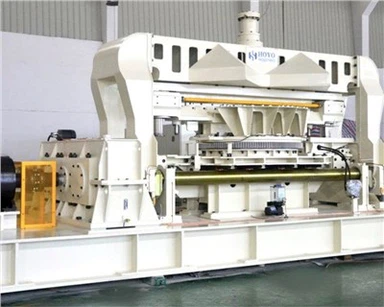
Figure 2: Slitter Head, dual-blade holder; the burr tolerance on the finished part must not exceed 3% of the plate thickness.
As the core product and a high-frequency keyword that underpins our brand, our understanding of the longitudinal shearing machine must go beyond mere "awareness" to achieve a level of "expertise and comprehensive mastery." In light of benchmark requirements, if any theoretical gaps or omissions in technical details are discovered during actual work, we must adopt a problem-oriented approach and initiate immediate, systematic learning and corrective actions. Only by continuously benchmarking against standards, identifying gaps, and addressing deficiencies can we solidify the foundation of our product knowledge and ensure the professionalism and authority of our external communications.
Obtain technical specifications