

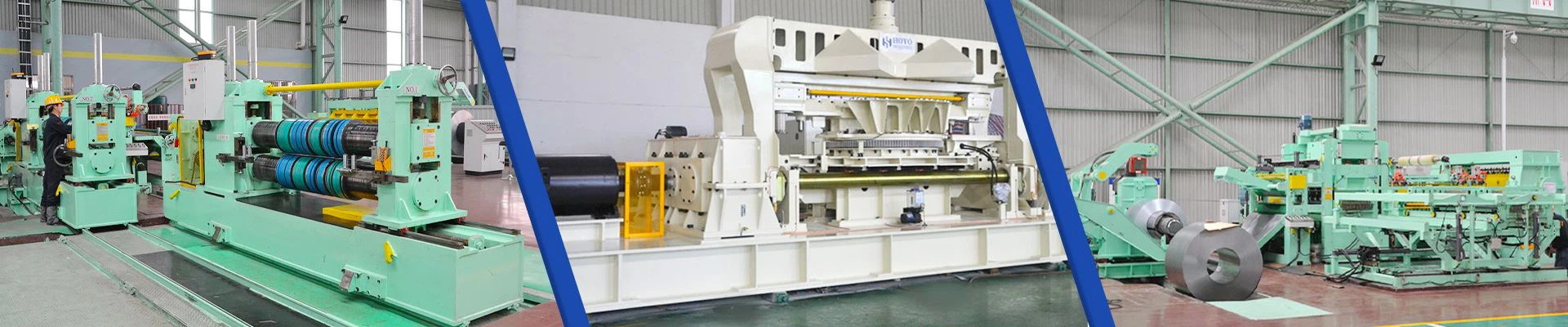
Your Professional Slitting Lines Supplier!
Shanghai Hongyu Industrial Co., Ltd. has become a global provider of metal cutting and processing production lines. HOYO produces complete production lines such as "cut-to-length lines", "slitting lines", "recoiling lines" and "stainless steel plant coil preparation lines", "trapezoidal rotary shearing lines and automated industrial blanking lines", "stainless steel grinding lines".
Wide range of materials that can be processed
The production line can process a wide range of materials, from ferrous metals to non-ferrous metals, such as carbon steel, stainless steel, color steel and aluminum, copper and brass.
Wide range of product applications
HOYO Industries' products are mainly sold to steel structure service centers and end users such as steel mills, automobiles, construction machinery and household appliances industries.
Professional team
HOYO has an experienced core team, with R&D personnel and production and after-sales service personnel with more than 10 years of experience, mature technology, and can provide customized products according to customer needs.
Quick response
We promise to respond to your inquiries within 24 hours to ensure that you receive the information and support you need in a timely manner.
-
![High Precision Slitting Line]() Add to Inquiry
Add to Inquiry -
![Light Gauge Slitting Line]() Add to Inquiry
Add to Inquiry -
![Heavy Gauge Slitting Line]() Add to Inquiry
Add to Inquiry -
![Belt Bridle Tension Unit]() Add to Inquiry
Add to Inquiry -
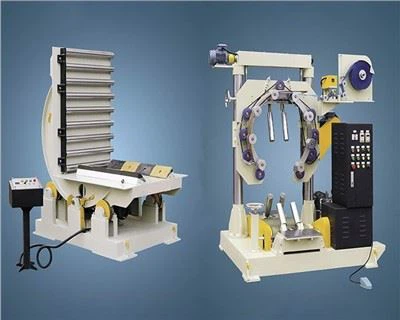
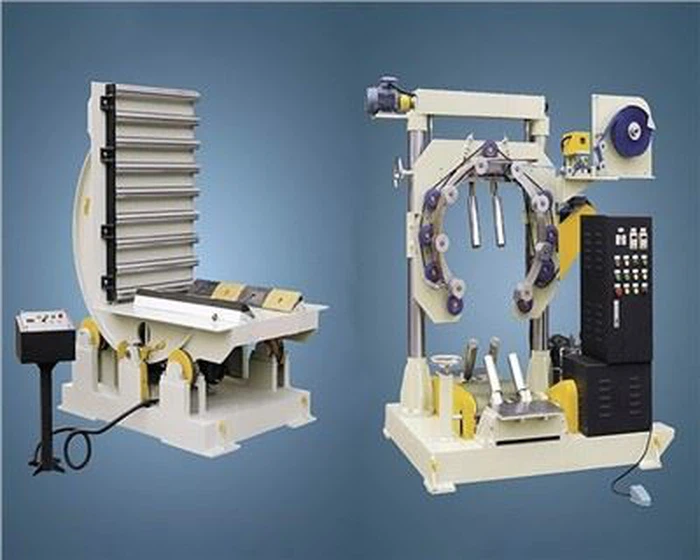
![Coil Wrapping and Turning Machine]()
Coil Wrapping and Turning Machine
Add to Inquiry
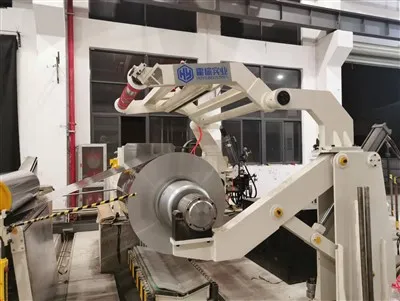
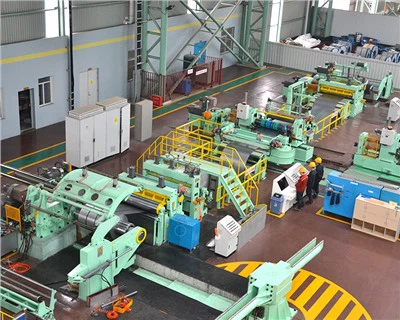


Features of Slitting Lines
High efficiency
Slitting machines can cut wide metal coils into required narrow strips at high speed and efficiency, suitable for mass production.
Flexibility
The equipment can usually handle a variety of materials, including steel, aluminum, stainless steel, etc., and can adjust the cutting width and thickness according to customer needs.
Precise cutting
Modern slitting machines are equipped with advanced control systems and tool designs, which can achieve high-precision cutting and ensure product quality.
High degree of automation
Many slitting machines use automatic feeding, automatic cutting and automatic stacking systems, which reduces manual intervention and improves production efficiency.
Easy to operate and maintain
Modern slitting machines are usually designed to be user-friendly, with simple and easy-to-understand operating interfaces, which is convenient for training and maintenance.
High adaptability
The equipment can flexibly adjust the cutting speed, feeding speed and tool pressure according to production needs to adapt to different production environments.
High safety
Slitting machines are equipped with multiple safety protection devices to ensure the safety of operators and reduce the occurrence of accidents.
Integrated design
Many slitting machines integrate the functions of feeding, slitting, and winding, which optimizes the production process and improves overall efficiency.
Application of Slitting Lines
Automotive industry
Used to produce sheet metal for automobile bodies, chassis and other components, meeting the needs of automobile manufacturing for high-precision and high-strength materials.
Home appliance manufacturing
In the production of refrigerators, washing machines, microwave ovens and other home appliances, slitting machines are used to cut metal materials required for the outer shell and internal structural parts.
Construction industry
Used to manufacture roofing materials, wall materials, steel bars and other metal products for construction, meeting the diverse needs of the construction industry for materials.
Aerospace
In the production of aircraft structural parts and components, slitting machines are used to cut high-strength metal materials to meet strict safety and performance standards.

Electrical industry
Used to cut metal materials for electronic components such as motors, transformers and cables to ensure their quality and performance.
Packaging industry
In the production of metal packaging materials, such as aluminum foil, cans, etc., slitting machines are used to cut into the required width and length.
Metal processing
Provide the required metal materials for other metal processing equipment (such as stamping machines, welding machines, etc.) to ensure processing accuracy and efficiency.
Shipbuilding and heavy machinery
Used to cut metal materials such as ship hulls and heavy machinery structures to meet the industry's requirements for strength and durability.
Types of Slitting Lines
Ordinary slitting machine
It is suitable for standard longitudinal cutting of various metal coils, and is usually used for processing steel, aluminum and other metal materials.
High-speed slitting machine
It is designed for high-speed and high-efficiency production, suitable for mass production, and can quickly cut metal coils, suitable for industries with high requirements for production efficiency.
Precision slitting machine
It has higher cutting accuracy and is suitable for applications with strict requirements on material thickness and width, such as aerospace, electronics and other industries.
Automated slitting machine
It adopts automatic feeding, cutting and winding systems to reduce manual intervention, improve production efficiency and safety, and is suitable for modern production lines.
Heavy-duty slitting machine
It is designed to handle thicker and heavier metal coils, suitable for processing heavy materials such as steel, and usually has a stronger structure and power system.
Multifunctional slitting machine
In addition to longitudinal cutting, it also has other functions such as cross-cutting, leveling and winding, which can meet diverse production needs.
Manual slitting machine
It is suitable for small-scale production or maintenance purposes, with relatively simple operation, usually manually feeding and cutting, suitable for small workshops or specific processes.
Laser Slitting Machine
Using laser cutting technology, it can achieve high-precision and high-complexity cutting, suitable for processing special materials and complex shapes.
Pneumatic or hydraulic slitting machine
Using pneumatic or hydraulic system to achieve cutting and feeding, it improves the stability and efficiency of cutting.
Machinable materials of Slitting Lines




Carbon steel
Common metal material, widely used in industries such as automobiles, construction and machinery manufacturing, with good strength and plasticity.
Stainless steel
Due to its excellent corrosion resistance and high temperature resistance, it is suitable for food processing, chemical equipment, medical equipment and other fields.
Aluminum alloy
Lightweight and high strength, widely used in aerospace, automobile, construction and packaging industries.
Copper and copper alloys
Have excellent electrical and thermal conductivity, mainly used in electronic, electrical and pipeline applications.
Galvanized steel
The surface is coated with zinc, has good corrosion resistance, and is commonly used in construction, automobile and home appliance industries.
Coated steel
The surface is coated with polyester, PVDF and other coatings, has good weather resistance and aesthetics, and is widely used in construction and home appliance industries.
High-strength steel
Suitable for applications that require high strength and wear resistance, such as heavy machinery and structural parts.
Alloy steel
Contains other elements to improve certain properties, suitable for industries requiring special properties, such as aerospace and military industry.
Composite materials
Some high-end slitting machines are able to handle composite materials, suitable for special needs of specific industries.
Customized solutions for Slitting Lines

Customized cutting width and thickness
According to the specific needs of customers, the cutting width and material thickness range of the equipment are customized to meet the production requirements of different products.
Material type adaptation
For specific materials (such as stainless steel, aluminum alloy, high-strength steel, etc.), customized knives and cutting systems are customized to improve cutting accuracy and efficiency.
Automation degree
According to the automation requirements of the production line, the automatic feeding, cutting, winding and stacking systems are customized to reduce manual intervention and improve production efficiency.
Integrated solution
Integrate the slitting machine with other equipment (such as leveling machine, cross-cutting machine, packaging machine, etc.) to form a complete production line and optimize the production process.
Special function design
Design slitting machines with special functions, such as multi-functional cutting, online detection system, automatic waste recycling, etc. to meet specific production needs.
Control system customization
According to the customer's operating habits and management needs, advanced control systems are customized, including touch screen interface, data recording and remote monitoring functions.
Size and layout customization
According to the plant space and layout requirements, the size and configuration of the equipment are customized for easy installation and use.
Safety protection design
Add additional safety protection measures, such as emergency stop device, safety protection cover, etc. to improve the safety of the equipment.
How to install a slitting line
Preparation
Make sure all slitting line components, tools and equipment are ready and inspected before installation. Read and understand the equipment's operating manual and installation guide.
Determine the installation location
Based on the factory layout, select a suitable installation location and ensure that there is enough space for operation and maintenance. Make sure the ground is flat and can bear the weight of the equipment.
Install the foundation
If necessary, build a concrete foundation to provide stable support. Make sure the height and level of the foundation meet the requirements of the equipment.
Assemble the slitting line
Assemble the various components of the slitting line (such as feed rack, knife, tension control, outfeed rack, etc.) together according to the manufacturer's instructions. Use bolts and fixtures to firmly connect the components.
Install the electrical system
Install the electrical control cabinet, sensors, motors and other electrical components, and ensure that the wiring is correct and meets safety regulations. Ensure that the power connection is reliable and follow electrical safety standards.
Install the pneumatic system (if applicable)
If the slitting line uses pneumatic devices, install the air source and air pipes, and perform a sealing test to prevent leakage.
Make adjustments
Adjust the height and position of the knife to ensure cutting accuracy. Set up the tension control device to ensure that the material maintains proper tension during the slitting process.
Test the equipment
Before formal operation, perform no-load and load tests to check the working condition and cutting accuracy of the equipment. Check the functions of the electrical and pneumatic systems to ensure that the safety alarm device works properly.
Frequently Asked Questions
Shanghai HOYO Industries Co., Ltd. is one of the most professional slitting lines manufacturers and suppliers in China, featured by quality products and competitive price. Please rest assured to buy cheap slitting lines for sale here from our factory. Contact us for customized service.
fimi slitting line, High Precision Steel Coil Slitting Machine, slitting machine line